Facebook
 X
X
 Pinterest
 Copy Link
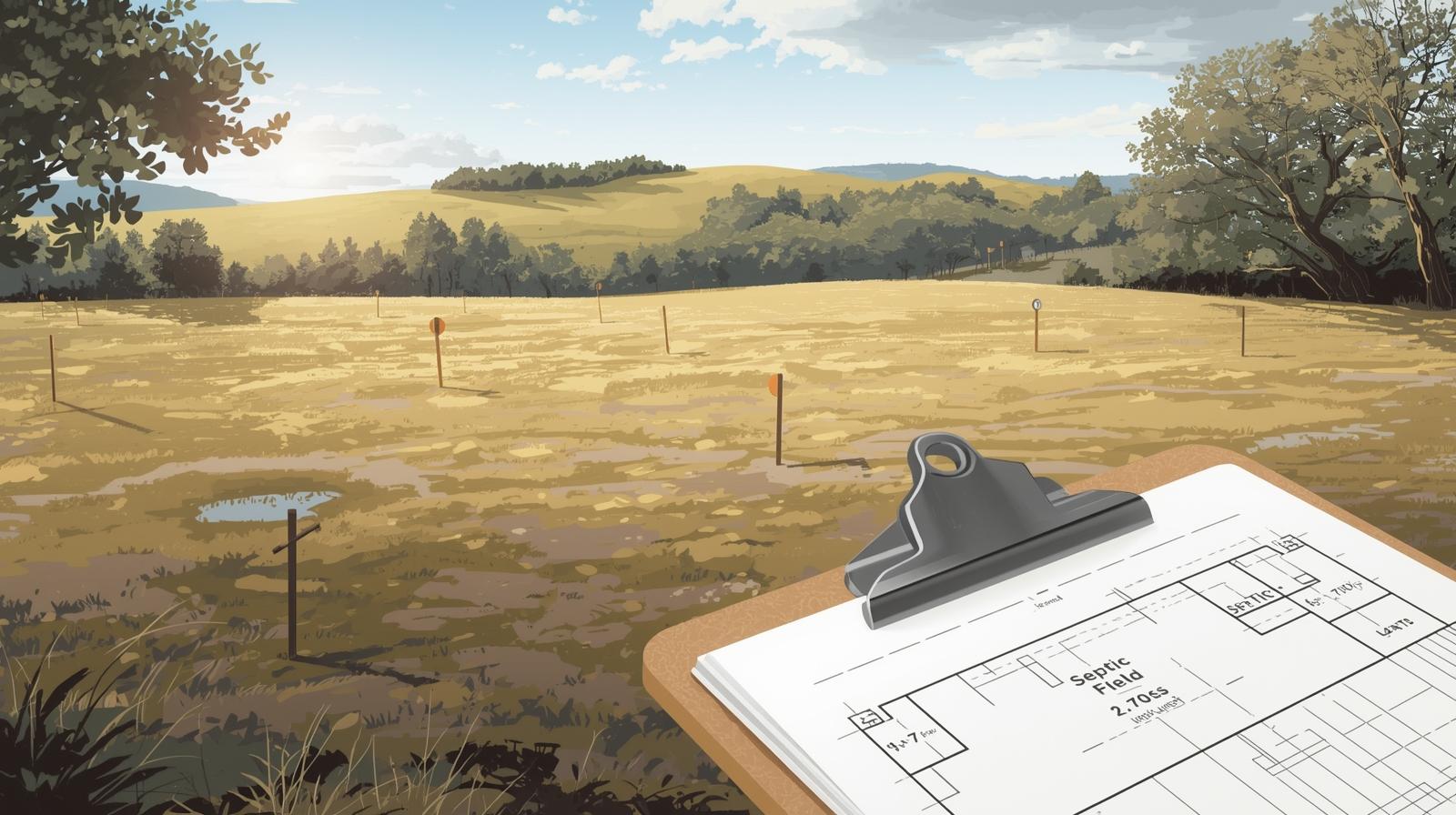
Buying Land Is Different Than Buying a Home
Purchasing land can be an exciting opportunity — whether you plan to build now, build later, or hold the property as an investment. However, buying land in Virginia and West Virginia is very different from purchasing an existing home. There are no guarantees of utilities, access, or buildability unless proper due diligence is completed.
In the Shenandoah Valley and Eastern Panhandle, feasibility studies are a critical part of protecting buyers from costly surprises.
What Is a Feasibility Study?
A feasibility study is not a single document — it’s a collection of investigations that help determine whether land can realistically be used for your intended purpose.
Feasibility typically includes:
-
Zoning and land use review
-
Septic and soil evaluation
-
Well and water availability
-
Utility access
-
Road access and easements
-
Environmental considerations
-
Topography and buildable area review
Zoning & Land Use Restrictions
Zoning laws vary widely across Virginia and West Virginia counties, especially in rural areas.
Important questions to confirm:
-
Is residential construction permitted?
-
Are there minimum acreage requirements?
-
Are modular or manufactured homes allowed?
-
Are there subdivision restrictions?
-
Are there HOA or deed limitations?
Even neighboring parcels can have very different restrictions.
Septic & Soil Feasibility (One of the Most Important Steps)
If public sewer is not available, septic approval is required before a home can be built.
Buyers should understand:
-
A perc test evaluates soil drainage capability
-
Approval is often needed before building permits are issued
-
Some parcels require alternative septic systems
-
Steep slopes, rock, or high water tables can limit approval
If a property cannot be approved for septic, it may not be buildable — regardless of acreage.
Wells & Water Access
Many land purchases in VA and WV require private wells.
Key considerations:
-
Drilling depth and cost
-
Local geology and water table conditions
-
Required well yield
-
Distance from septic systems and property lines
Well costs can vary significantly depending on location and depth.
Utilities & Infrastructure
“Nearby utilities” does not always mean affordable or accessible.
Buyers should verify:
-
Electric availability and connection fees
-
Natural gas access (often limited in rural areas)
-
Internet and cell service
-
Costs to extend utilities to the building site
This step is especially important for buyers planning to work remotely.
Road Access & Easements
Land must have legal, recorded access.
Red flags include:
-
Unrecorded gravel roads
-
Verbal access agreements
-
Private roads without maintenance agreements
-
Landlocked parcels
Always confirm recorded ingress/egress easements and year-round access.
Topography & Buildability
Not all acreage is usable acreage.
Potential challenges include:
-
Steep slopes
-
Flood zones
-
Wetlands
-
Rock outcroppings
-
Setback limitations
A survey or preliminary site plan can clarify buildable areas.
Financing Land Purchases
Land loans are different from traditional mortgages.
Typical expectations:
-
Higher down payments (20–50%)
-
Shorter loan terms
-
Higher interest rates
-
Fewer lender options
Some buyers choose to purchase land with cash or use construction-to-permanent loan programs.
Environmental & Agricultural Considerations
Land may be impacted by:
-
Conservation easements
-
Agricultural or forestry land-use programs
-
Floodplain restrictions
-
Protected or historic designations
These programs may offer tax benefits but often restrict future development.
Why Local Expertise Matters When Buying Land
Land purchases require more coordination and due diligence than a typical home sale.
A knowledgeable local agent can:
-
Identify feasibility red flags early
-
Coordinate soil, well, and survey professionals
-
Structure contracts with protective contingencies
-
Help buyers fully understand what they’re purchasing
Final Thoughts
Buying land can be an incredible opportunity — but only when feasibility is confirmed before closing. In Virginia and West Virginia, proper due diligence is essential to protecting your investment and future plans.