Facebook
 X
X
 Pinterest
 Copy Link
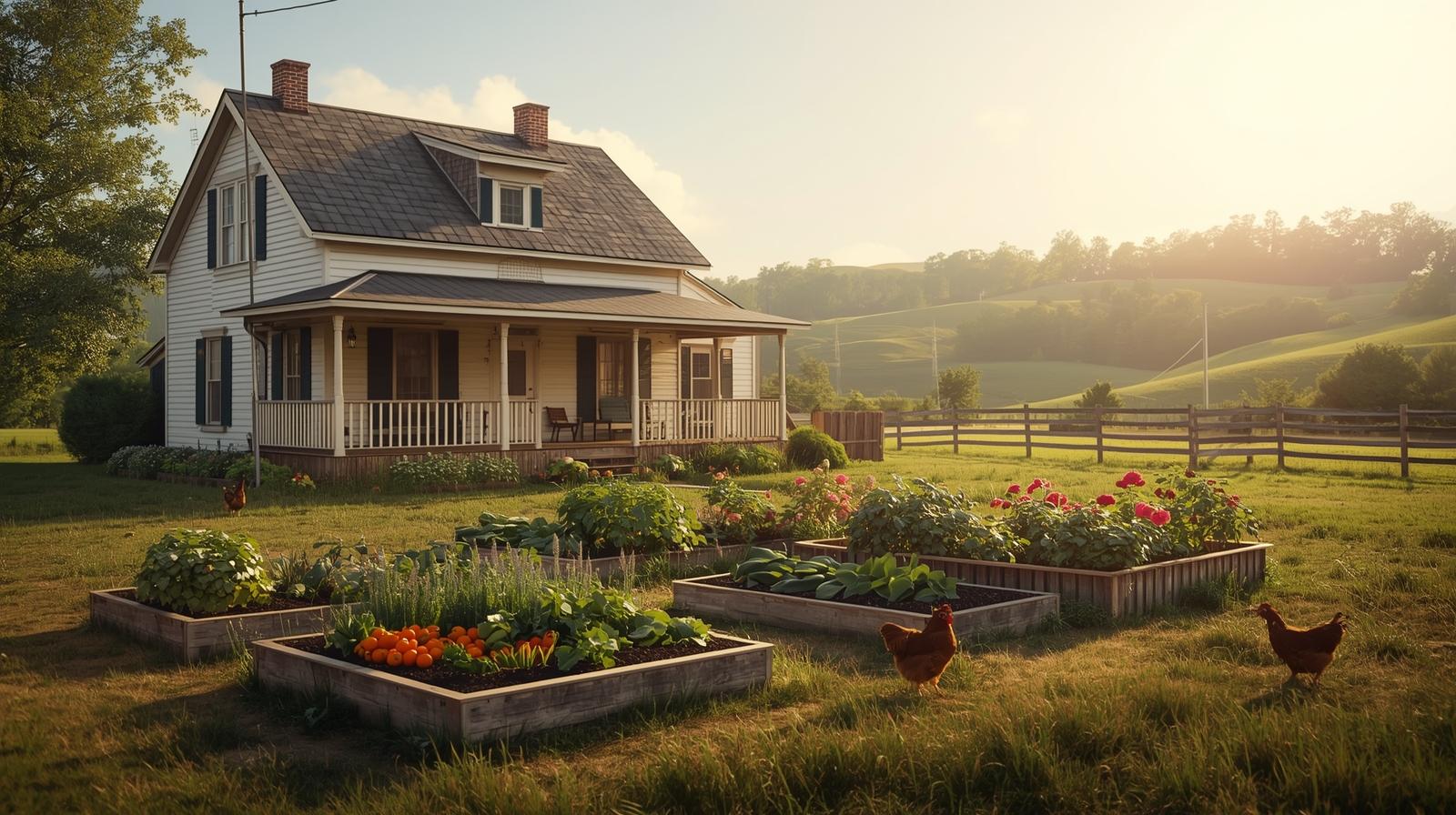
Homesteading has seen a major resurgence, especially across Winchester, the Shenandoah Valley, and the Eastern Panhandle of West Virginia. Whether the goal is growing food, raising animals, living more sustainably, or simply having space and privacy, buying the right property is critical to long-term success.
Here’s what future homesteaders should understand from a real estate perspective before making a purchase.
1. Zoning, Land Use & County Restrictions Matter
Not every rural-looking property allows true homesteading.
Before you buy, confirm:
-
Agricultural or rural residential zoning
-
Livestock allowances (type and quantity)
-
Restrictions on roosters, goats, bees, or pigs
-
Whether home-based businesses or farm stands are permitted
Zoning regulations can vary by county, town, and even subdivision, especially in Virginia versus West Virginia.
2. Water Sources: Well vs. Municipal
Most homestead-friendly properties rely on private wells.
Key considerations:
-
Well depth, age, and flow rate
-
Water quality testing (especially for bacteria, nitrates, and minerals)
-
Backup water storage or cistern options
-
Distance from septic systems and livestock areas
A strong, reliable water source is one of the most important (and overlooked) aspects of homesteading property.
3. Septic Systems & Expansion Limits
If you plan to grow your homestead over time, septic matters.
Things to review:
-
Conventional vs. alternative septic systems
-
Approved bedroom count (limits future expansion)
-
Location of drain fields (can restrict gardens or outbuildings)
-
Soil suitability for additional systems
Some rural properties cannot legally expand without major upgrades.
4. Soil Quality & Topography
Not all acreage is usable acreage.
Look closely at:
-
Soil type and drainage (important for gardens and livestock)
-
Slopes vs. flat, workable land
-
Floodplain location
-
Tree coverage vs. cleared pasture
A 10-acre property with poor soil may be less functional than a well-laid-out 3-acre parcel.
5. Utilities, Internet & Access
Modern homesteading often blends rural living with remote work.
Confirm:
-
Electric capacity and service location
-
Internet availability (fiber, cable, fixed wireless, or satellite)
-
Road maintenance (state-maintained vs. private)
-
Easements and legal access
These details impact financing, resale, and daily quality of life.
6. Financing Homestead-Style Properties
Not all lenders treat rural properties the same.
Potential challenges include:
-
Agricultural zoning limitations
-
Large acreage thresholds
-
Outbuildings and barns affecting appraisals
-
Well and septic inspection requirements
USDA, conventional, and portfolio loans are often strong options — but choosing the right loan early is key.
7. Resale Value Still Matters
Even if this feels like a “forever” home, resale should always be considered.
Properties with:
-
Legal zoning compliance
-
Clear access
-
Functional utilities
-
Permitted structures
…are significantly easier to sell and finance later.
Homesteading does not have to mean sacrificing future value when done correctly.
Why Working With a Local Real Estate Expert Matters
Homesteading properties require more than a standard home search.
A knowledgeable local agent helps you:
-
Verify zoning and land use
-
Coordinate well, septic, and soil inspections
-
Navigate rural financing options
-
Avoid costly surprises after closing
The right guidance protects both your lifestyle goals and your investment.
Thinking About a Homestead-Friendly Property?
If you’re considering land or a rural home in Winchester, the Shenandoah Valley, or the Eastern Panhandle of WV, I’d love to help you evaluate whether a property truly fits your homesteading vision — before you commit.