Facebook
 X
X
 Pinterest
 Copy Link
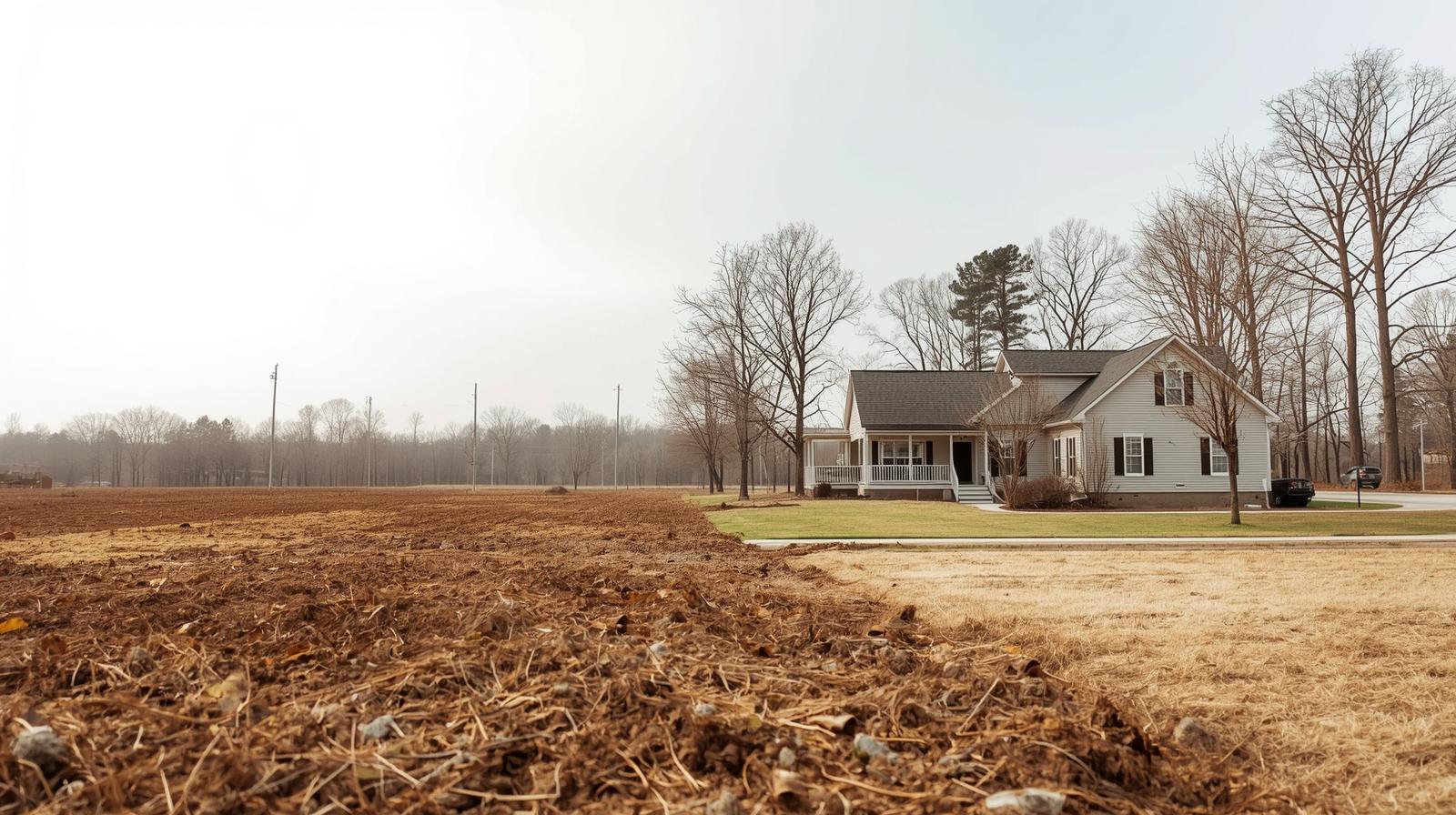
The Dream vs. the Reality
Many buyers—especially those working with tighter budgets—come into the process with a clear vision: buy a piece of land, put a manufactured home on it, and save money. On the surface, it sounds simple and affordable.
In reality, this approach often comes with significant hidden costs, financing hurdles, and upfront cash requirements that catch buyers off guard. My goal isn’t to discourage the dream—it’s to make sure you understand the full picture before making a decision that could stretch your finances too thin.
The Hidden Costs of Buying Land
Raw land almost always requires more preparation (and money) than buyers expect. Common expenses include:
-
Septic system installation (often tens of thousands of dollars)
-
Well drilling if public water isn’t available
-
Land clearing and grading
-
Driveway installation
-
Utility hookups (electric, gas, internet)
-
Permits, surveys, soil testing, and feasibility studies
These costs are typically out-of-pocket expenses, not easily rolled into traditional financing.
Manufactured Homes: More Than Just the Purchase Price
While manufactured homes can be a great option in the right scenario, buyers often don’t realize the additional steps required to make them financeable:
-
Permanent foundation installation
-
Tie-downs, skirting, and site prep
-
Title conversion from personal property to real property
-
Compliance with lender and county requirements
Without meeting these criteria, financing options can be limited—and resale value may be impacted.
Financing Challenges: Land Loans vs. Home Loans
This is where many budgets break down.
-
Land loans typically have:
-
Higher interest rates
-
Shorter loan terms
-
Larger down payment requirements
-
-
Construction-to-permanent loans can be complex and lender-specific
-
Many buyers underestimate how much cash is required before construction even begins
For many first-time or budget-conscious buyers, this creates a financing gap that’s difficult to overcome.
Why an Existing Home Can Be a Smarter First Step
In many cases, purchasing an existing home—even if it’s not the “forever home”—can be a more practical and strategic move:
-
Access to traditional financing with lower rates
-
Ability to build equity immediately
-
Predictable monthly housing costs
-
Opportunity to improve, refinance, or sell later
-
A clearer path toward long-term goals like land ownership or custom construction
Think of it as a stepping stone, not a compromise.
It’s About Strategy, Not Settling
Every buyer’s situation is different. Sometimes land and a manufactured home do make sense—but only with proper planning, realistic budgeting, and the right financing structure.
My role is to help you:
-
Compare real numbers (not just estimates)
-
Understand cash requirements upfront
-
Explore all viable paths to homeownership
-
Choose a strategy that supports your long-term goals—not just today’s excitement
Let’s Talk Before You Commit
Before you fall in love with a piece of land or a floor plan, it’s worth having an honest conversation about costs, timelines, and financing options. A short planning discussion upfront can save you months of frustration—and thousands of dollars.