Facebook
 X
X
 Pinterest
 Copy Link
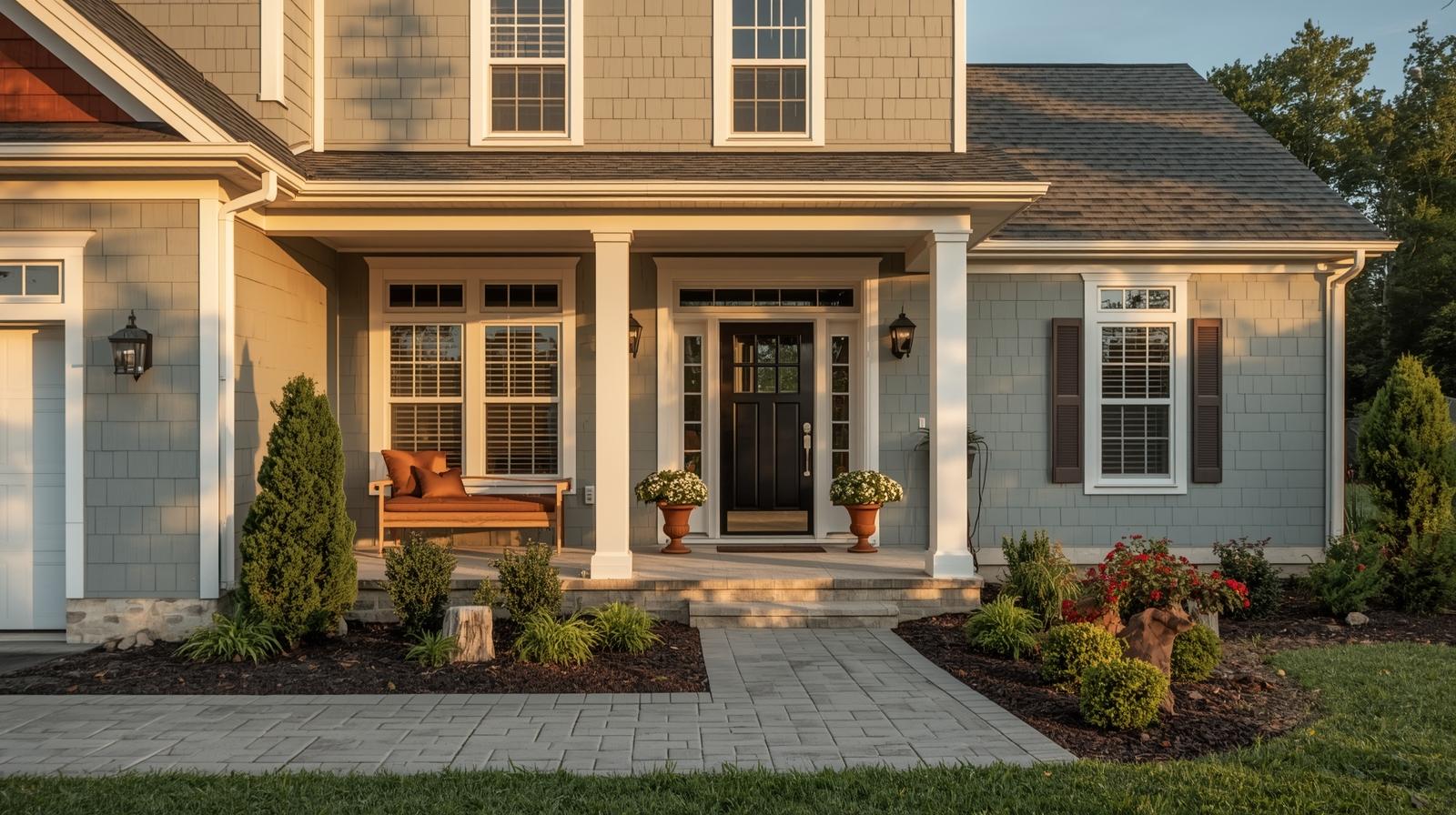
Preparing your home for the market is part strategy, part psychology — and highly dependent on local buyer expectations in our area: Winchester, the Shenandoah Valley, and the Eastern Panhandle of West Virginia.
As a full-service agent helping sellers maximize their return, the #1 question I get is:
“Should I update my home before listing, or sell it as-is?”
The truth is: it depends on what local buyers expect and what nearby comps are showing in your specific price range.
Here’s how to decide whether updates make sense — and when they don’t.
1. Invest in Updates When They Help You Compete in Your Local Sub-Market
Our three regions vary widely:
-
Winchester buyers lean toward clean, move-in-ready homes
-
Shenandoah Valley buyers often balance charm + updates
-
Eastern Panhandle buyers compare resale homes directly with abundant new construction
You should invest when you’re:
-
Slightly dated but structurally solid
-
Competing against nearby homes with modern finishes
-
In a price range where buyers weigh cosmetics heavily
High-ROI upgrades across all three markets include:
-
Fresh neutral paint
-
Updated lighting
-
New or refinished flooring
-
Painting kitchen cabinets
-
Updated bathroom mirrors & fixtures
These upgrades often shift buyer perception, especially in the $250k–$450k range common in all three areas.
2. Invest When You’re Competing With New Construction (Especially Common in the Eastern Panhandle & South Winchester)
The Eastern Panhandle (Martinsburg, Inwood, Hedgesville), Stephens City, and southern Winchester have strong new-build activity that raises buyer expectations.
Consider updating when:
-
Your finishes look original to the year the home was built
-
New construction is only slightly higher in price
-
You want your listing photos to stand out against builder-grade interiors
Smart updates:
-
Modern LVP flooring
-
Brushed nickel or matte black fixtures
-
Updated bathroom vanities
-
Fresh paint in warm modern-neutrals
You don’t need to overhaul the home — just elevate it enough to feel fresh, clean, and competitive.
3. Invest When You Need to Meet Loan Program Requirements (Huge for USDA, FHA & VA Buyers Here)
Our tri-region sees a high volume of USDA, FHA, and VA financing, which means your home must meet certain minimum standards.
Invest in repairs if you have:
-
Peeling or chipping paint in homes built in 1978 or earlier
-
Loose or missing handrails
-
Safety issues
-
Roof deterioration
-
HVAC issues
-
Well/Septic concerns
-
Structural deficiencies
These aren’t cosmetic — they’re loan requirements. Addressing them upfront protects you from contract fall-throughs and delays.
4. Skip Major Renovations When Your Neighborhood Price Ceiling Won’t Support Them
Winchester neighborhoods, rural Shenandoah Valley communities, and Eastern Panhandle subdivisions all have clear price ceilings.
It’s usually not worth upgrading when:
-
Your neighborhood trends toward modest finishes
-
You’re unlikely to recover the cost
-
Appraisals won’t support high-end improvements
Example:
Installing a $40k luxury kitchen in a neighborhood with $300k comps rarely pays off.
5. Skip Updates When the Market Is Hot (Often the Case in Winchester & the Eastern Panhandle)
In low-inventory pockets — such as parts of Winchester and fast-moving sections of Martinsburg/Inwood — buyers are more forgiving.
You can skip updates when:
-
Homes are selling in days
-
You’re priced competitively
-
There are multiple buyers in your segment
-
Comps show quick sales even with dated interiors
In these cases, focus on:
-
Deep cleaning
-
Decluttering
-
Staging
-
Basic curb appeal
Those items give far better returns than renovations.
6. Get a Localized Market Analysis Before Spending a Dollar
Before you touch a paintbrush or call a contractor, let’s look at:
-
Local comps in your micro-market
-
Buyer preferences in your neighborhood
-
What your likely buyer pool expects
-
ROI trends across the three regions
-
What will matter in photos vs. in person
Every home — and every neighborhood — requires a different approach.
Together, we’ll make sure you spend only where it boosts your equity.
If you’re thinking about selling in the next 3–12 months, I’d be happy to walk through your home and help create a custom pre-listing plan.